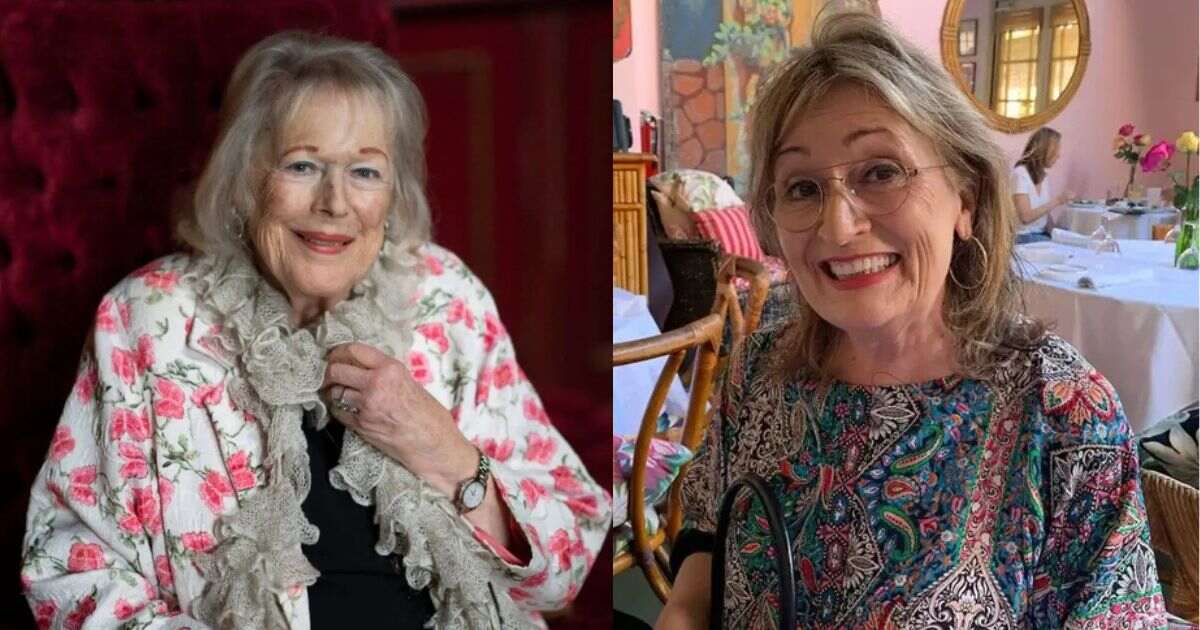
Rosemary Margaret Hobor quietly built a life that most people never see. While millions remember her late husband, comedian John Candy, few know about the Canadian artist who kept their family grounded through Hollywood’s chaos. Born in 1949 in Toronto, she spent decades creating ceramics and paintings while raising two children who would eventually step into entertainment themselves.
Her story isn’t about red carpets or premiere nights. It’s about studio spaces filled with clay dust, community art workshops in Ontario, and a deliberate choice to live privately even when fame knocked at the door. Rosemary—known in art circles as Rose Candy—represents someone who stayed true to their creative identity while the world watched someone else.
Rosemary Margaret Hobor Quick Bio Summary
| Category | Details |
| Full Name | Rosemary Margaret Hobor (also known as Rose Candy) |
| Birth Year & Place | 1949, Toronto, Canada |
| Education | Ontario College of Art & Design (OCAD University), 1970–1973 |
| Profession | Artist – Ceramics, Abstract Painting, Mixed Media |
| Spouse | John Candy (m. 1979–1994) |
| Children | Jennifer Candy (b. 1980), Christopher Candy (b. 1984) |
| Notable Work | Exhibitions in Canada and California, co-producer of John Candy: I Like Me (2025) |
| Awards/Grants | Ontario Arts Council Visiting Artist Grants (1970s) |
| Residence | Private, outside major urban centers (undisclosed) |
| Net Worth | Estimated $500,000–$1 million (2023–2025) |
| Public Presence | Minimal; no official social media, maintains privacy |
Early Life and Artistic Roots
Rosemary Margaret Hobor grew up in Toronto during the 1950s and 60s. She discovered ceramics and painting early, drawn to the tactile nature of clay and the freedom of abstract expression. Her family background remains private by her choice.
She studied at Ontario College of Art & Design (OCAD University) from 1970 to 1973, where she began exhibiting her early works.She began exhibiting work in Toronto while still a student, showing pieces at local galleries including Toronto City Hall and the Canadian Guild of Crafts.
She received Ontario Arts Council Visiting Artist Grants throughout the 1970s for community arts work. These grants supported wheel-throwing workshops for school teachers and adult night classes. This dual identity—artist and educator—would define her approach to creative work for decades.
Rosemary Margaret Hobor Meeting John Candy and Building a Family
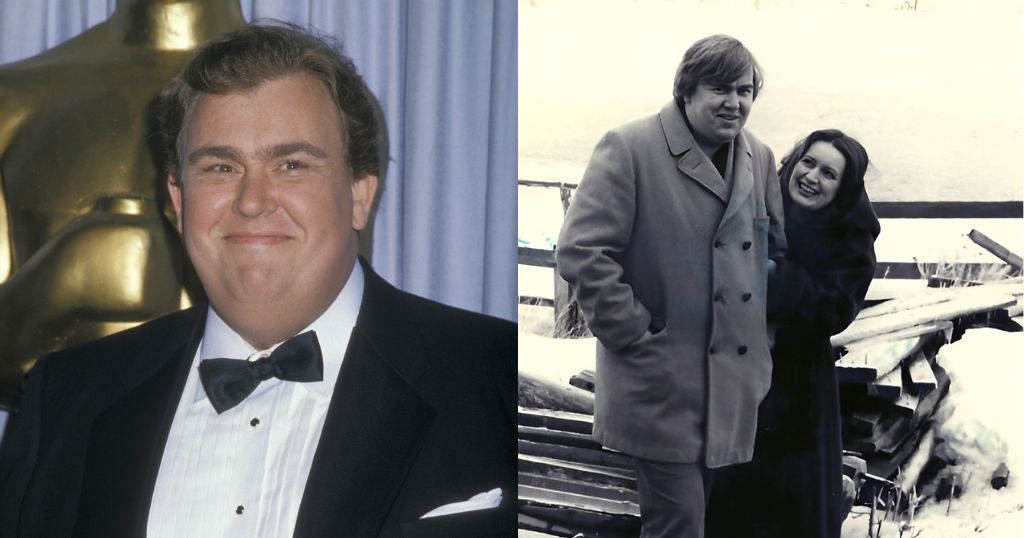
Rosemary met John Candy through mutual friends in Toronto’s comedy scene before he became a household name. Their relationship began in the late 1970s when John was still building his career with Second City. They married on April 28, 1979, creating a partnership that would last 15 years, according to People Magazine.
The couple welcomed two children: Jennifer in 1980 and Christopher in 1984. Both kids would later pursue creative careers—Jennifer as a producer and actress, Christopher as an actor and musician. Rosemary maintained a low profile throughout John’s rise to fame, choosing to focus on raising their children.
Martin Short told People: “What Rose always brought was this calm, in control, grounding, wise element.” This observation speaks to Rosemary’s role as the family’s steady center while John navigated demanding film schedules. She stayed connected to Toronto’s Second City community as a warm presence who kept the household grounded.
Her Artistic Career and Studio Practice
Rosemary never stopped making art, even during John’s busiest Hollywood years. Her work spans porcelain and stoneware ceramics, hand-built sculptural vessels, abstract paintings, and mixed media pieces using textiles and layered textures. She operates under the professional name Rose Candy, maintaining an artist website at rosecandyartist.com.
Her creative approach emphasizes geometric balance, layering, and organic structure. Gallery listings show her style evolved from functional ceramics in the 1970s to heavily textured abstract paintings in later decades. She occasionally blends ceramics with painted elements, creating mixed-material pieces that bridge both disciplines.
Her teaching work extended beyond the 1970s grants. She led demonstrations for school groups, taught wheel-throwing and hand-building techniques, and designed ceramic curricula for community centers. Her artist biography states: “My studio practice includes working with textiles, mixed media, paint, and clay.”
Read Also: Who Is Michelle Gumbel? Private Life of Greg Gumbel’s Daughter
Rosemary Margaret Hobor Life After John Candy’s Death
John Candy died unexpectedly in 1994 while filming in Mexico. Rosemary was left to raise Jennifer (then 14) and Christopher (then 10) as a single mother. She chose complete privacy during this period, declining interviews and public appearances to protect her children’s stability.
Christopher Candy later described his mother as “a rock for all of us” after John’s death, The Hollywood Reporter noted. Rosemary took on the role of estate manager, organizing John’s business documents, contracts, and film records. She preserved correspondence with studios and colleagues, ensuring copyrights and intellectual property matters remained intact.
No verified information suggests Rosemary has remarried. All reliable public sources indicate she remained single and devoted to her family. This choice reflects her consistent preference for privacy.
Preserving John Candy’s Legacy
Rosemary carefully maintained John’s letters, recordings, family photos, and personal memorabilia for over three decades. This archival work became essential for the 2025 documentary “John Candy: I Like Me,” which premiered at TIFF and released on Prime Video, as reported by New York Post. IMDb credits list her as Rose Candy/Rosemary Candy and co-producer/co-executive producer on the film.
She provided original home videos, approved the use of personal photographs, and allowed access to keepsakes dating back to the SCTV era. These materials were previously unseen and could only come from Rosemary’s personal collection. Her role was subtle but critical—the documentary required authentic family moments that only she possessed.
Rosemary declined on-camera interviews for the documentary despite her production credit. Her children and close friends spoke on her behalf about the family legacy. She contributes behind the scenes but never seeks the spotlight herself.
Art Exhibitions and Gallery Work
Rosemary’s work has appeared in exhibitions across Canada and California over five decades. Early shows in the 1970s included Toronto community galleries and the Canadian Guild of Crafts. More recently, her pieces have been shown at Las Laguna Art Gallery in Laguna Beach, California.
She has contributed artwork to charitable auctions in Southern California, with proceeds supporting local arts programs. Exhibition listings credit “Rose Candy” as donating original ceramic pieces to community initiatives. These quiet contributions reflect her long-standing commitment to arts education without seeking recognition.
Art critics reviewing small gallery shows have noted her minimalist influences and strong use of monochrome palettes. Her compositions reflect balance and restraint. Her studio setup includes a kiln room for high-fire ceramics, a mixed-media workbench, and emphasis on natural light.
Read Also: Aneliz Alvarez Alcala: Private Matriarch Behind Latin Music’s Royal Family
Rosemary Margaret Hobor Relationship With the Comedy Community
Rosemary maintained connections with SCTV cast members and their families for decades. She remained in contact with Catherine O’Hara, Eugene Levy, and Martin Short—connections publicly acknowledged during SCTV retrospectives. These weren’t professional relationships but genuine friendships that outlasted John’s passing.
Friends from the comedy world described her as “one of the warmest, most grounding people in the group’s circle.” She attended private gatherings but avoided public comedy events or red-carpet reunions. Colleagues mentioned she helped John maintain boundaries so he could prioritize being a father.
Her presence in this community was never about performance or publicity. She brought stability to a group known for chaotic schedules and high-pressure creativity. That role—quiet supporter, trusted friend—fit her personality.
Her Influence on Her Children’s Careers
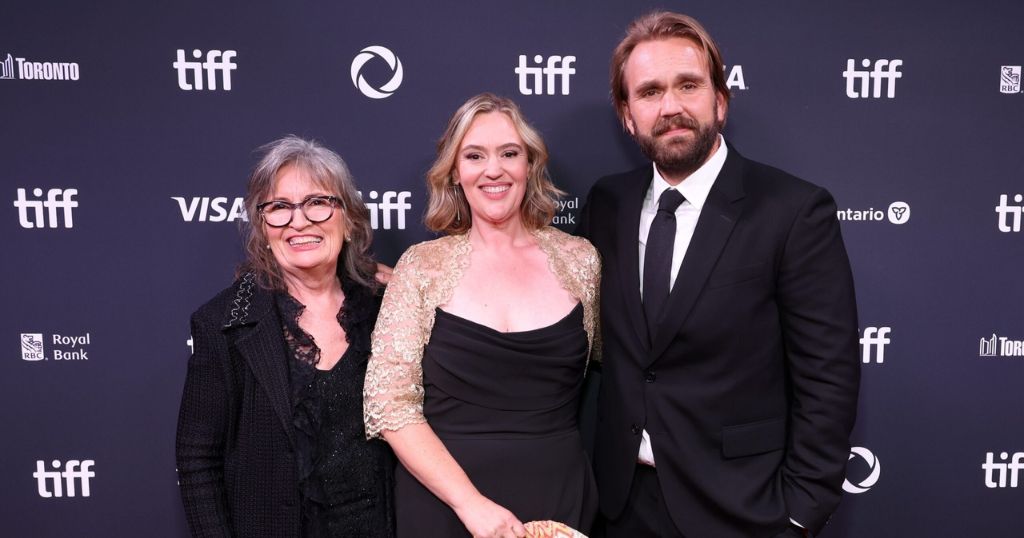
Both Jennifer and Christopher credit their mother’s creative discipline for shaping their approach to work. Jennifer has said in interviews that her mother’s “creative focus” influenced her own career choices. Christopher mentioned their mother taught them “giving your whole heart to whatever you’re doing,” directly referencing her art practice.
Rosemary’s example showed them how to balance creativity with family responsibility. She never stopped making art despite raising two kids and managing household responsibilities during John’s frequent film shoots. Her children watched her commit to studio time the same way their father committed to comedy—with consistency and quiet dedication.
Both siblings maintain relatively low profiles compared to many children of famous parents. They learned from Rosemary that creative work matters more than public attention. This lesson shaped their adult lives and career choices.
Current Life and Privacy Choices
As of 2025, Rosemary continues living privately, staying close to her two adult children. She avoids interviews, social media, and public appearances—a pattern she’s maintained for over 30 years. No official public social media accounts exist for her beyond the @helllorose handle listed on her artist site.
Rosemary Candy prefers to keep her home private, choosing a quiet location suitable for her art studio and family life. Exact locations remain undisclosed for privacy. She attends her children’s private family milestones but never appears in public photos or social media posts.
Coverage of the documentary emphasized that Rose declined sit-down interviews even for projects celebrating John’s legacy. This isn’t reclusiveness—it’s a deliberate, lifelong preference for quiet living. Rosemary built a life on her own terms, separate from Hollywood’s expectations.
Rosemary Margaret Hobor Net Worth and Financial Privacy
Sources like Yen News estimate Rosemary’s net worth at between $500,000 and $1 million as of 2025, primarily from her art career and management of John Candy’s estate. This figure is inferred from publicly available estate information and typical estimates shared by entertainment outlets. No official financial disclosure exists.
Her income sources include long-standing art and ceramic sales, family assets, and possible residuals from John Candy’s estate. She never pursued commercial fame with her artwork or licensed John’s image for profit beyond standard estate management. Financial privacy aligns with every other aspect of her life.
Legacy: More Than a Celebrity Spouse
Rosemary Margaret Hobor’s legacy extends far beyond her marriage to John Candy. She raised two successful, grounded children who speak of her with deep respect and affection. She maintained her artistic identity across five decades without compromising for fame or fortune.
Her work as an artist, teacher, and community contributor created ripples in Canadian arts education. The students who took her workshops, the teachers she trained, and the community programs she supported represent a quiet but real impact. She preserved John Candy’s memory and archives while refusing to exploit them.
What makes Rosemary’s story compelling isn’t drama—it’s consistency. She knew who she was before Hollywood, during it, and after it. That kind of self-knowledge, maintained across decades, is its own form of strength.
FAQ’s about Rosemary Margaret Hobor
How old is Rosemary Margaret Hobor in 2025?
She is approximately 76 years old, born in 1949 in Toronto, Canada.
Did Rosemary Margaret Hobor remarry after John Candy’s death?
No verified information indicates she remarried; all sources suggest she remained single.
What type of art does Rosemary create?
She specializes in ceramics, abstract painting, and mixed media using textiles and layered textures.
Does Rosemary Margaret Hobor have social media?
No official public accounts exist; she maintains privacy and avoids social platforms.
What is Rosemary’s net worth?
Estimated between $500,000 and $1 million as of 2023-2025.
Who are Rosemary’s children?
Jennifer Candy (born 1980), actress and producer, and Christopher Candy (born 1984), actor and musician.
Was Rosemary involved in the John Candy documentary?
Yes, she is credited as co-producer on “John Candy: I Like Me” (2025) and provided archival materials but declined on-camera interviews.